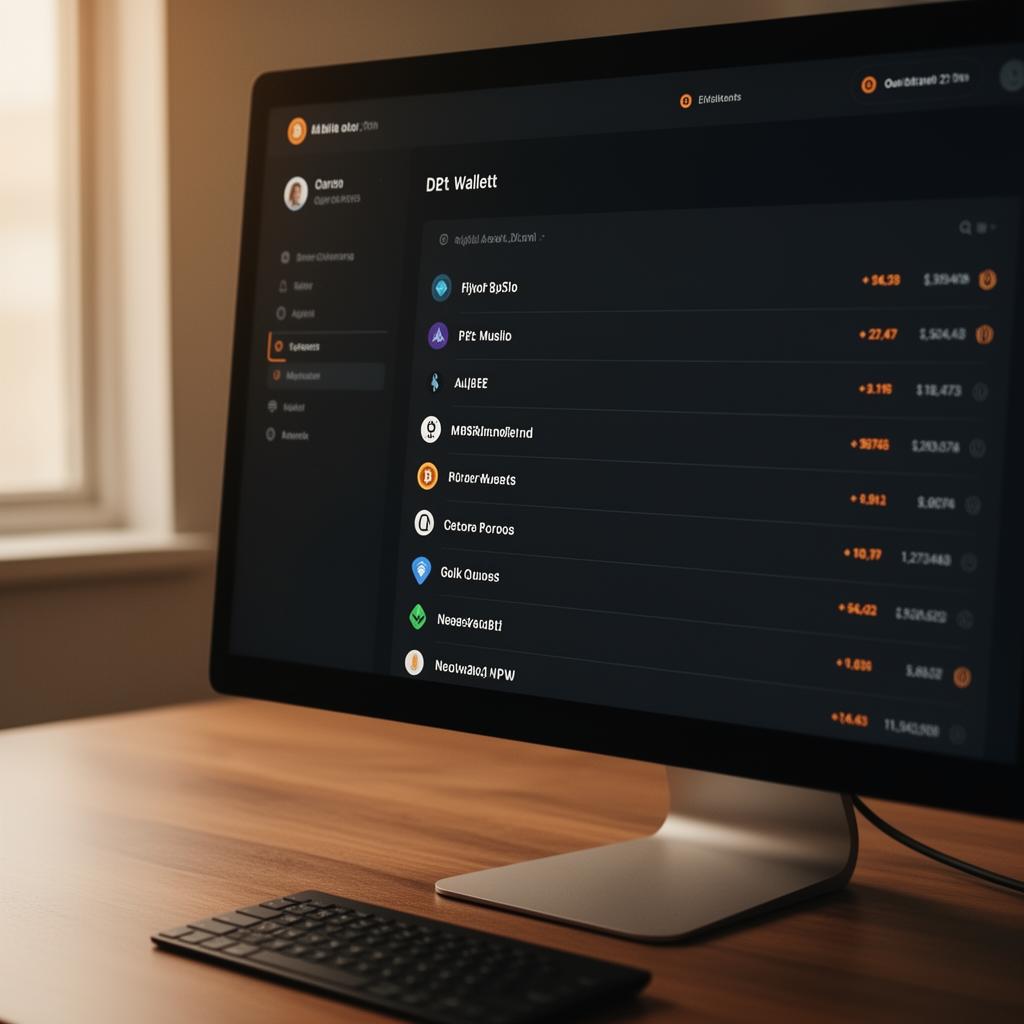
A lightweight Ravencoin wallet, built for the desktop.
Run a real wallet on your own machine. Hold your keys, issue and move RVN assets, and connect to hardware devices — without a custodian in the middle.

What this wallet does well.
A focused tool for people who care about owning their keys and working with Ravencoin assets directly.
You hold the keys
Seed phrases stay on your machine. No accounts, no email, no custodian.
Native assets
Issue, transfer, and manage Ravencoin assets and sub-assets from the same wallet.
Hardware ready
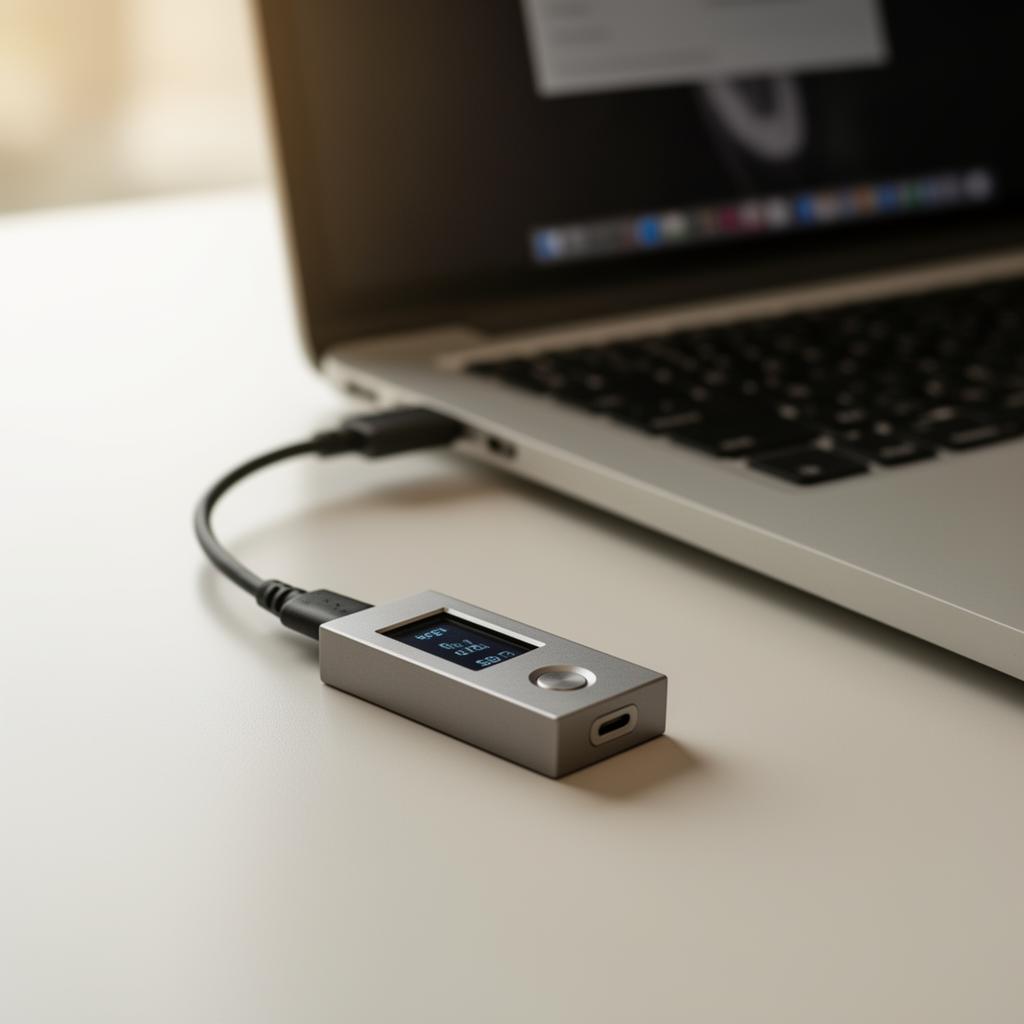
Connect Ledger or Trezor and sign transactions without exposing your seed.
Light client speed
Syncs against trusted nodes — usable in seconds, not hours of blockchain download.
Multi-signature
Build 2-of-3 and other multisig wallets for shared treasuries and cold storage.
Mainnet & testnet
Switch network in one click. Test asset issuance before committing real RVN.
Real on-chain assets, not wrapped tokens.
Sign transactions on a hardware device.
12 words. That's the wallet.

A focused Ravencoin wallet for desktop users.
Electrum RVN is a lightweight Ravencoin wallet built for people who want to run a real wallet on their own machine instead of trusting an exchange or a browser extension with their coins.
It speaks the Ravencoin protocol natively, handles the KAWPOW mining network, and treats RVN assets as first-class objects — not as a bolted-on feature.
The wallet does not ask you to download the full Ravencoin blockchain or wait hours for an initial sync. It connects to a configurable set of network nodes, fetches only the data your addresses need, and is usable within seconds of installation. If you prefer to trust your own infrastructure, you can point it at your own node and stop talking to public servers entirely. Either way, the keys never leave your machine.
Self-custody, the way it was meant to work
A Ravencoin wallet that holds your keys for you is a custodial account dressed up as software. Electrum RVN takes the opposite approach. There are no accounts, no email signups, no password resets, no support team that can freeze your funds. When you create a wallet, the application generates a standard BIP-39 seed phrase on your computer. You write it down on paper, store it offline, and that twelve-word phrase is the wallet — restorable on any compatible client, on any machine, for as long as the Ravencoin network exists.
For larger balances or shared treasuries, the wallet supports multi-signature configurations such as 2-of-3 and 3-of-5. Combine that with a hardware signer like Ledger or Trezor and the private keys never touch a general-purpose computer at all — the desktop wallet prepares the transaction, the hardware device signs it, and only the signed transaction ever leaves the device.
Ravencoin's defining feature is on-chain asset issuance. The wallet exposes this directly. You can issue a named asset, mint sub-assets under a parent, create unique tokens, send restricted or reissuable assets, and transfer them to any other Ravencoin address — all from the same interface you use to send RVN.
- Issue named assets and sub-assets from the wallet UI.
- Restricted and reissuable assets supported natively.
- No smart-contract wrappers, no bridges, no third-party token standards.
- Assets behave like first-class network objects alongside your RVN balance.
Not "trust us," but "verify." Every release signed, every release reproducible from source.
The desktop is the right place for a wallet that matters. A real keyboard, a real filesystem, a real screen, and an OS you control make backup, verification, and key handling far safer than anything a phone or a browser tab can offer. Electrum RVN ships signed installers for Windows 10 and 11, a universal build for macOS on both Apple Silicon and Intel, and an AppImage that runs on most Linux distributions without packaging gymnastics.
Every release is signed with the project release key, and the build process is reproducible — anyone with the source can rebuild the binaries and confirm they match the ones distributed here.
Who this wallet is for
If you are mining RVN and want a wallet that handles KAWPOW payouts cleanly, if you are issuing Ravencoin assets for a project, if you are holding RVN long-term and want it off an exchange, or if you simply want a desktop wallet that respects the original idea of cryptocurrency — keys you own, software you can inspect, no intermediary — this is the wallet for you. It is deliberately not a trading app, not a social platform, and not a way to swap tokens you cannot pronounce. It is a Ravencoin wallet, and that is the entire job. Download Electrum RVN for your platform — signed installers for Windows, macOS, and Linux are published on the download page.
Multi-coin wallets treat RVN as one of many tickers and usually skip the asset layer entirely. A Ravencoin-native wallet exposes named assets, sub-assets, unique items, and restricted/qualifier transfers as first-class objects in the UI — issue, transfer, freeze, and reissue all work without leaving the app. Pair that with verified reproducible builds, a transparent download channel, and hardware-signer integration, and the dedicated-client experience is meaningfully better for anyone holding more than a token-tracker amount.
Most users settle into a layered setup: a small float on a mobile wallet for day-to-day spending, a larger balance on Electrum RVN paired with a hardware signer for everything else, and a written seed backup stored offline like cash. That stack survives a lost phone, a stolen laptop, and a hardware-wallet failure — without ever putting custody in anyone else's hands.
Frequently asked
Continue with Electrum RVN
- download Ravencoin wallet — signed installers for Windows, macOS, and Linux
- Ravencoin asset wallet — issue and move native RVN assets
- is Electrum RVN safe — verification, threat model, and signed builds
Run your own Ravencoin wallet.
Open-source, lightweight, and built for the desktop user who wants real control over keys and assets. Download the wallet directly from our download page — signed installers for every operating system.